Best Thumb Brace
Healing From a Thumb Injury? Discover the Top Support Options
Recovering from a thumb injury poses numerous difficulties. Proper support is vital for effective healing. Thumb splints and braces are able to provide the required stability and proper alignment which may greatly influence recovery. However, understanding the extent of the injury and exploring the right options is essential. Which elements ought to be evaluated when determining the proper supportive device, and how might one improve their overall healing experience? The solutions could prove more intricate than initially expected.
What Are the Most Common Types of Thumb Injuries?
Injuries to the thumb may present in a variety of forms, each presenting its own set of challenges. Typical forms consist of fractures, sprains, strains, and tendon injuries. A sprain typically arises from the overstretching or tearing of ligaments, leading to swelling and pain. Strains, on the other hand, affect muscles or tendons, often caused by overuse or excessive force. Fractures can develop as a result of falls or direct impact, resulting in severe pain, deformity, and limited mobility.
Tendon disorders, such as tendon inflammation conditions, involve inflammation of the tendons surrounding the thumb, often resulting from repeated movements. Moreover, ailments including arthritis can exacerbate thumb pain, impacting the thumb's overall performance. Identifying these prevalent thumb injury types is crucial for effective treatment and healing. Every type of injury demands tailored support options to ensure proper healing and regain function. Understanding these distinctions can help individuals seek appropriate care and reach well-informed conclusions regarding recovery approaches.
How to Assess the Severity of Your Thumb Injury
Assessing the seriousness of a thumb injury requires thorough assessment of frequent indicators, such as inflammation, discomfort, and reduced range of motion. Understanding these indicators can assist in establishing whether professional treatment is required. Recognizing when professional assistance is needed is essential for ensuring proper recovery and preventing further complications.
Common Symptoms to Observe
How can someone identify the seriousness of a thumb ailment? Noting typical signs can yield important clues. Pain severity is often a key sign; sharp or throbbing pain may suggest a more serious injury. Inflammation and discoloration around the thumb can signify inflammation or trauma. Reduced mobility, trouble holding items, or weakness in the joint area may indicate ligament damage or fractures. Numbness or tingling sensations could signal nerve involvement, necessitating closer examination. Moreover, any visible deformity should call for swift medical evaluation. Through careful observation of these signs, individuals can gain a clearer understanding of their injury and reach well-considered conclusions regarding their rehabilitation and treatment choices. Monitoring these signs is essential for effective self-care and rehabilitation planning.
When to Look for Help
When should an individual consider seeking professional help for a thumb injury? A prompt assessment is essential, especially if pain persists beyond a few days or is accompanied by puffiness, discoloration, or reduced range of motion. Indicators of a broken bone, such as a noticeable abnormality or difficulty using the thumb, warrant prompt professional evaluation. Moreover, if the injury results from a substantial force, such as an accidental fall or athletic injury, seeking professional assessment is recommended. People should additionally pursue care if they experience numbness or tingling, as these symptoms may indicate nerve involvement. Early intervention can prevent complications and facilitate a more effective recovery, ensuring proper healing and function of the thumb.
The Role of Thumb Braces in Recovery
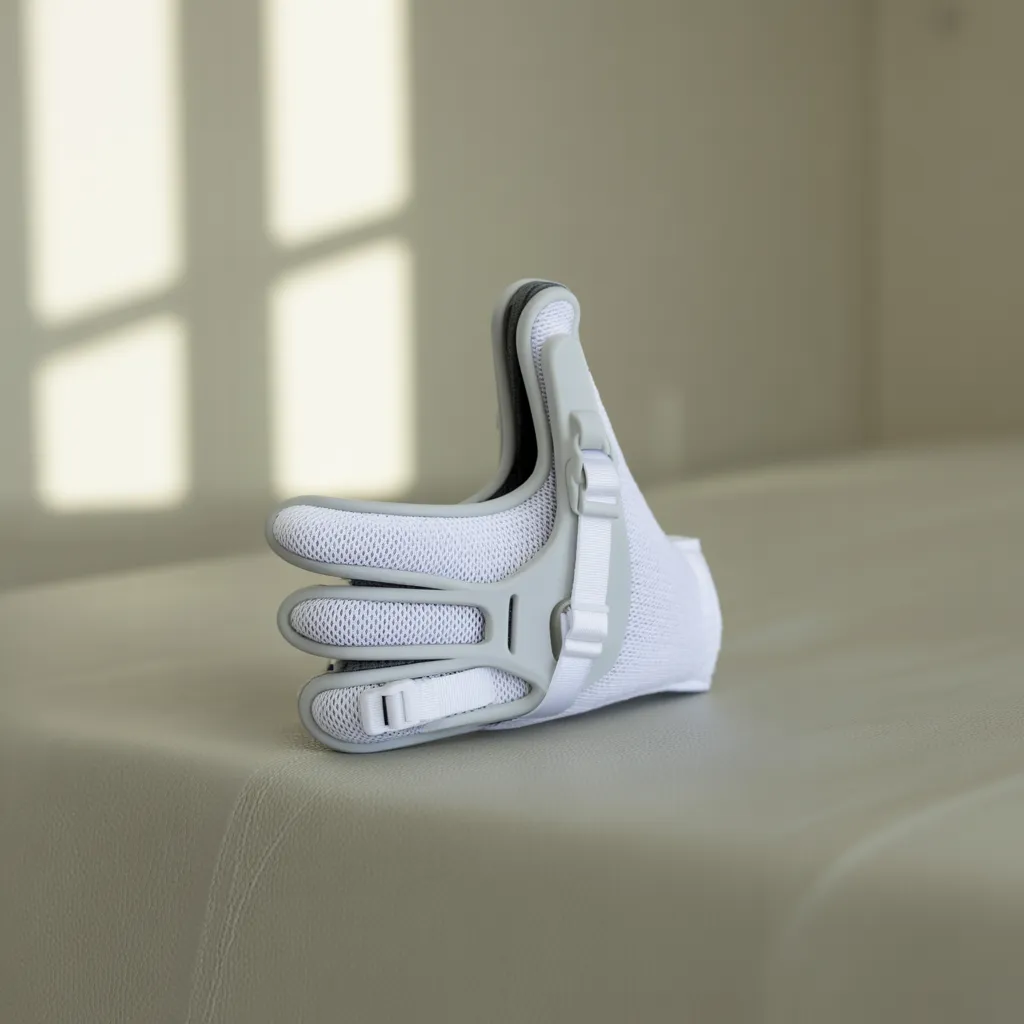
Thumb braces play an essential role in the recovery process following a thumb injury. Such supportive tools are intended to immobilize the thumb, offering support as the affected area recovers. Through restricting motion, thumb braces work to minimize the risk of further harm and ease discomfort, enabling people to carry out everyday tasks more comfortably.
In addition, thumb braces play a role in reducing swelling and irritation, which are frequently experienced following an injury. They also facilitate optimal alignment, guaranteeing that the thumb mends in the right position. Numerous braces offer adjustable designs, accommodating changes in swelling levels throughout the healing process, which improves their overall effectiveness.
Additionally, using a thumb brace can boost the user's confidence, empowering them to get back to their routines without concern about aggravating the injury. In summary, thumb braces function as a critical component of rehabilitation, facilitating both physical healing and mental well-being during the recuperation phase.
Choosing the Right Thumb Splint for Support
Picking the appropriate thumb splint is essential for proper support during recuperation. Different types of thumb splints are offered, each built to handle particular injuries and needs. Critical features to keep in mind include construction, customizability, and degree of support, which can significantly influence recovery and comfort.
Types of Thumb Splints
A variety of thumb splints exist to provide support and alleviate pain from injuries. These splints are available in several varieties, with each suited to specific purposes. Firm splints offer superior immobilization, making them ideal for severe injuries or recovery after surgery. Gentle splints, typically constructed from flexible fabric, deliver reasonable support and allow for some movement, best for minor strains. Thumb spica splints precisely focus on the thumb, supporting it while enabling finger dexterity. There are also bespoke splints that address specific anatomical considerations, guaranteeing an accurate fit. Every type fulfills a distinct role, and choosing the appropriate option can considerably improve the rehabilitation process and total comfort.
Factors Worth Considering
When picking the correct thumb splint for support, several critical features must be taken into account. To begin, the fabric plays a crucial role; breathable textiles can improve wearability, while sturdy materials offer greater immobilization. Customizable straps are important for achieving a secure fit, adjusting to various thumb dimensions and swelling. The construction should permit straightforward application and removal, especially for people with restricted hand mobility. Furthermore, the weight and bulk of the splint are key factors; a low-weight splint allows for improved flexibility throughout recovery. Assess the amount of support necessary, as various injuries may require different levels of immobilization. Finally, seek advice from a healthcare provider to ensure the chosen splint meets particular healing requirements, promoting effective healing and recovery.
Effective Physical Therapy Techniques to Heal Thumb Injuries
Healing a thumb injury often requires targeted physical therapy techniques aimed at rebuilding strength and mobility. Early examinations typically focus on assessing mobility limitations and discomfort levels, directing the formation of a personalized recovery program. Essential methods often involve gentle stretching exercises to improve flexibility, combined with isometric muscle exercises to build muscle stability without aggravating the injury.
Manual therapy may also serve an important function, as therapists apply manual techniques to reduce discomfort and enhance blood flow. Furthermore, functional movements that replicate everyday activities are vital for rebuilding coordination and hand dexterity. Individuals can gain advantages from incorporating resistance bands or therapeutic putty to progressively build strength.
Consistency in performing recommended exercises at home, in addition to consistent therapy sessions, is essential for ideal recovery. Overall, these rehabilitation techniques aim to facilitate a successful return to typical thumb function and minimize the risk of potential injuries.
Does Your Thumb Injury Require Surgery?
Establishing whether surgical intervention is required for a thumb injury is largely determined by the seriousness and category of damage incurred. Less severe injuries, including sprains or strains, generally react favorably to conservative treatments, including rest, ice, and immobilization. Yet, more significant injuries, such as broken bones or torn ligaments, might necessitate surgical treatment to reestablish proper function and stability.
Medical experts generally carry out an extensive examination, which includes diagnostic imaging, to assess the degree of damage sustained. If non-surgical methods fail to alleviate pain or restore mobility, surgery may become the preferred option.
Additional factors that influence the decision include the patient's age, physical activity level, and general health. In some cases, postponing surgery could result in complications or an extended recovery period. Ultimately, the decision should be made collaboratively between the patient and healthcare provider, so that the chosen path is consistent with the patient's personal recovery goals and daily lifestyle.
Helpful Tips for Relieving Thumb Injury Pain During Recovery
Upon determining the necessity of surgery, patients rehabilitating from a thumb injury commonly search for practical approaches to handle discomfort. Using cold therapy can deliver prompt relief; placing an ice pack on the affected area for 15-20 minutes multiple times daily can decrease swelling and ease discomfort. Over-the-counter pain relievers, such as ibuprofen or acetaminophen, can also alleviate pain and inflammation, however speaking with a healthcare professional before use is strongly advised.
Incorporating gentle stretching and strengthening exercises, as recommended by a physical therapist, can enhance mobility and reduce stiffness, contributing to overall recovery. Keeping the injured thumb in a comfortable position, such as applying a splint or brace, can reduce strain and encourage healing. Additionally, practicing relaxation techniques, such as deep breathing or meditation, can assist in managing pain perception and enhancing emotional well-being during the recovery process.
Actions to Steer Clear of While Your Thumb Heals
To secure ideal healing from a thumb-related injury, specific activities ought to be steered clear of. Engaging in heavy lifting or gripping can exacerbate pain and delay healing. Tasks that involve recurring thumb gestures, like using a keyboard or playing instruments, should likewise be reduced to reduce unnecessary pressure. Sports that involve impact or require hand agility, such as basketball or tennis, pose a risk of re-injury and should be temporarily set aside.
Furthermore, any tasks that involve precise hand movements, such as detailed needlework or complex crafts, could burden the recovering thumb and impede healing. One must stay away from any motion that results in discomfort or excessive stress on the thumb. Ensuring proper rest and refraining from these activities will significantly support a more efficient and comfortable recuperation process. Focusing on recovery by adjusting everyday habits secures a more rapid recovery to complete functionality without obstacles.
Popular Questions We Receive
What Is the Typical Recovery Time for Thumb Injuries?
Healing from thumb-related injuries typically ranges from a few weeks to several months, according to the extent of the injury. Elements including age, general health, and commitment to rehabilitation may affect how long recovery takes.
Is Heat or Ice Better for Relieving Thumb Pain?
Using ice can reduce swelling and numb pain, while heat can assist in relaxing muscles and enhancing blood flow. Patients may benefit from rotating between both techniques according to their particular symptoms for optimal comfort and explore article recovery.
What Are the Signs of a Serious Thumb Injury?
Signs of a serious thumb injury encompass sharp pain, puffiness, loss of thumb mobility, apparent deformity, numbness, or sensations of tingling. Immediate medical evaluation is recommended if these symptoms are present, as they may suggest fractures or damage to the ligaments.
Are There Dietary Recommendations to Help Heal Thumb Injuries?
A balanced diet rich in essential nutrients like vitamins C and D, calcium, and omega-3 fatty acids can support recovery from thumb injuries. Citrus fruits, leafy greens, fish, and nuts support healing and reduce inflammation effectively.
How Do I Avoid Thumb Injuries Going Forward?
In order to prevent thumb injuries going forward, individuals should build hand muscle strength through targeted exercises, utilize ergonomic tools, maintain proper grip techniques, and wear protective gear when engaging in high-risk activities, supporting general hand health and lowering the likelihood of injury.