Tips for Choosing Hand Support Devices
Thumb Injury Relief: Top Medical Supplies for Rapid Recovery
Injuries to the thumb can interfere with everyday activities, making proper recovery crucial. Understanding the types of injuries and the appropriate orthopaedic supplies can aid in effective relief. Critical supplies such as splints, braces, and cold packs contribute significantly to recovery. That said, learning how to properly apply these supplies is equally essential. As the healing process advances, supplementary approaches can boost recovery and restore normal function. The steps ahead are key to ensuring a successful and complete recovery.
Which Thumb Injuries Are Important for You to Know About?
Recognizing the various types of thumb injuries is crucial for effective treatment and recovery. Thumb injuries can range from sprains and strains to fractures and dislocations. Sprains develop when ligaments are overextended, often resulting from unexpected movements or impact. Strains, on the other hand, involve muscle or tendon injuries, generally stemming from too much force or ongoing repetitive actions.
Fractures represent another frequent category, commonly arising from sports or accidents, where the bone might crack or fracture. Dislocations take place when the bones in the thumb are displaced from their proper position, which can be extremely painful and could require urgent medical care. Furthermore, repetitive stress injuries, such as tendinitis, can form progressively due to activities that involve gripping or pinching. Recognizing these types of injuries can aid individuals in seeking appropriate care and adopting preventive strategies.
Premier Orthopaedic Supplies for Thumb Pain Relief
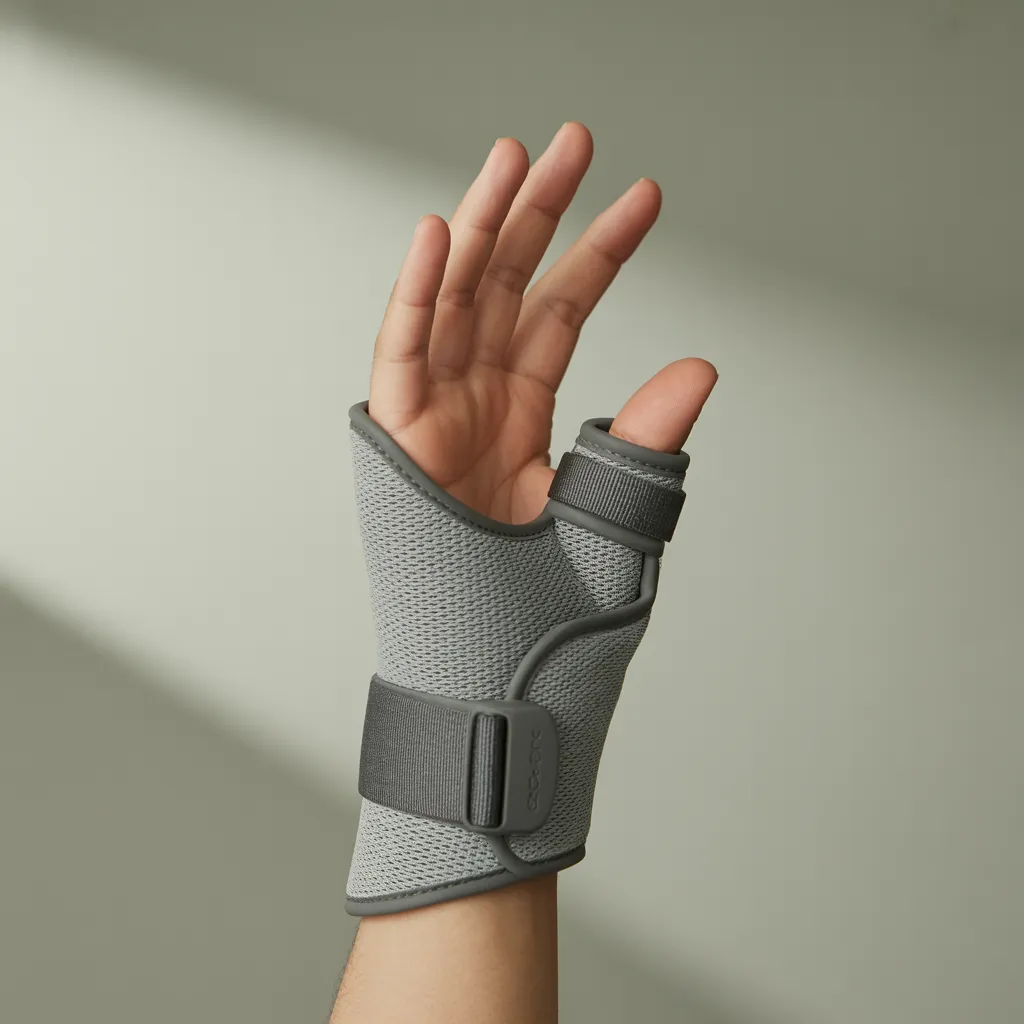
Relieving thumb pain effectively requires carefully selected orthopaedic supplies matched to the specific condition. Among the most important supplies are thumb splints, which immobilize the joint, offering stabilization and alleviating pain throughout recovery. Such splints are offered in various degrees of rigidity, guaranteeing comfort and support according to the injury's severity.
Additionally, thumb braces can provide variable compression, enhancing blood flow and reducing swelling. Cold packs are essential for addressing inflammation, while heat wraps can soothe stiffness during later stages of recovery.
When dealing with ongoing pain, readily available orthopaedic aids, such as finger cots, could prevent the thumb from experiencing further irritation.
Additionally, ergonomic tools created to alleviate stress in routine activities may assist in rehabilitation, promoting proper thumb function. Collectively, these materials establish a complete method for addressing thumb-related injuries and facilitating healing.
Using Ice Packs and Heat Therapy for Thumb Injuries
Applying ice packs and heat therapy can considerably aid in the recovery process for thumb injuries. Ice packs are most effective in the initial stages following an injury, assisting in minimizing swelling and alleviating pain. It is advised to use the ice pack for 15 to 20 minutes, making sure a barrier, like a cloth, is placed to shield the skin. This process can be carried out every few hours as necessary.
In contrast, heat therapy may prove helpful in the later stages of recovery. Applying a warm compress or heat pad can enhance blood flow and support healing. It is advisable to use heat for 15 to 20 minutes, ensuring the temperature is comfortable. Heat should not be applied if swelling is present, as doing so may aggravate the condition. Switching between ice and heat, when suitable, can deliver well-rounded relief while supporting the healing process.
How to Pick Pain Relievers for Thumb Injuries
Identifying the best analgesics for injuries to the thumb requires considering both over-the-counter options and prescribed treatments. Non-prescription pain medications, including ibuprofen or acetaminophen, can adequately control mild and moderate discomfort. For more intense pain, seeking advice from a healthcare provider for prescription pain medications may be necessary.
Over-the-Counter Options
When managing thumb injuries, picking the correct over-the-counter pain relievers can considerably influence comfort and recovery. Non-copyrightal anti-inflammatory medications (NSAIDs), such as ibuprofen and naproxen, are reliable choices, as they diminish both pain and inflammation. Acetaminophen can also deliver pain reduction, particularly for those who experience adverse reactions to NSAIDs. It is vital to evaluate individual health conditions, as some people may have medical restrictions or allergies to specific medications. Recommended dosages must be adhered to strictly to avoid adverse effects. Additionally, discussing options with a pharmacist or doctor can help in determining the best course of action. Proper pain management encourages improved movement and a quicker return to daily activities while recuperating from a thumb injury.
Prescription Pain Management Medications
Maneuvering the realm of prescription pain medications for thumb injuries demands careful consideration of several elements. First, the kind and degree of the injury play a significant role in determining the suitable medication. Anti-inflammatory medications such as NSAIDs like ibuprofen are often recommended for minor to moderate pain, while opioids may be considered for intense pain management. Moreover, the patient's medical history, including any pre-existing conditions or allergies, should be carefully assessed. The length of use is equally important, as prolonged use of opioids risks developing dependency. Consulting a healthcare professional is fundamental to achieve the right balance between pain management and potential side effects. A customized approach guarantees optimal recovery while limiting risks associated with prescription medications.
Effective Taping Techniques for Thumb Injuries
Taping techniques can greatly enhance recovery for thumb injuries by offering stability and reinforcement. Properly applied tape can immobilize the thumb, minimizing stress on damaged ligaments and tendons. A highly effective approach is the figure-eight taping method, which wraps the tape around the base of the thumb and crosses over the back, keeping it securely fastened while maintaining a degree of mobility. An additional approach makes use of rigid tape to achieve a splint-like result, delivering the highest level of support during routine activities.
It is essential to ensure that the tape is properly tensioned in both directions, as improper application can lead to further injury or impaired circulation. Many athletes find these methods advantageous, allowing them to maintain performance while protecting the injured area. In summary, proper taping techniques serve as a key element of a comprehensive thumb injury treatment plan, promoting healing while minimizing discomfort.
Recovery Tools for Thumb Rehabilitation
Several therapeutic tools are designed to aid in thumb rehabilitation and boost mobility. Such tools help to build strength, flexibility, and coordination in the injured thumb. Thumb and finger exercise tools, commonly crafted from flexible silicone or resistance bands, help people steadily build strength through focused exercises. In addition, splints offer essential support throughout the recovery process, promoting proper alignment and limiting strain.
Therapy putty serves as another valuable resource, featuring multiple resistance levels to improve hand and thumb dexterity. Additionally, range-of-motion devices assist users in gently stretching and mobilizing the thumb, minimizing stiffness. Gripping aids, such as ergonomic handles, support individuals in daily tasks, encouraging independence while supporting recovery. Including these tools in a rehabilitation program can substantially boost outcomes, allowing individuals to restore full function and resume their daily activities more effectively.
How Long Does Thumb Injury Recovery Take?
How much time does thumb injury recovery generally require? Recovery time differs significantly depending on the type and severity of the injury. Minor sprains or strains might heal within a few days to a week. In contrast, more severe injuries, such as fractures or tendon damage, can require several weeks to months for complete recovery.
Elements that affect recovery duration encompass a patient's age, general health condition, and commitment to rehabilitation guidelines. For instance, individuals who actively engage in physical therapy may experience faster healing. Furthermore, adequate immobilization and read this article sufficient rest play a critical role during the early stages of recovery.
Tips for Preventing Future Thumb Injuries
Adopting proactive steps can markedly reduce the chances of experiencing thumb injuries later on. As a starting point, individuals should engage in regular strength and flexibility exercises designed to focus on the thumb and hand. This type of exercise builds muscle support and strengthens joint stability. Second, ergonomic tools help reduce strain associated with repetitive tasks, including activities like typing or crafting. Such measures encompass proper hand positioning and the use of specially designed devices that lessen pressure on the thumb.
Furthermore, utilizing protective equipment throughout sports or exercise activities is necessary. Thumb protectors supply essential cushioning and support, particularly in high-impact sports.
Ultimately, maintaining a well-rounded lifestyle, encompassing proper nutrition and hydration, contributes to overall joint health. Knowing one's boundaries and taking breaks during prolonged activities can be advantageous too. By applying these approaches, people can greatly decrease the risk of recurring thumb injuries, supporting overall hand wellness.
Frequently Asked Questions
Can I Continue Exercising With a Thumb Injury?
Working out with a thumb injury may still be an option, but it is contingent upon the extent of the damage. Modifying workouts to avoid strain on the thumb is crucial for avoiding additional harm and supporting recovery.
When Should I See a Doctor for a Thumb Injury?
Medical attention should be sought regarding a thumb injury if discomfort extends beyond several days, swelling continues to grow, flexibility is reduced, or if the thumb appears deformed. Early evaluation can prevent complications while ensuring proper treatment is received.
Are There Home Remedies for Thumb Pain Relief?
Effective home treatments for relieving thumb pain consist of rest, the application of ice, light stretching exercises, and nonprescription pain medications. Keeping the hand elevated and wrapping it with a compression bandage may additionally ease discomfort and encourage faster healing.
What Are the Indicators of a Severe Thumb Injury?
Symptoms of a significant thumb injury encompass extreme pain, swelling, bruising, trouble moving the thumb, visible deformity, and a numb or tingling sensation. Urgent medical evaluation is strongly suggested if such symptoms occur to avoid additional health issues.
How Do I Build Thumb Strength Following Recovery?
To build up thumb strength post-recovery, one should incorporate focused training, such as grip strengthening and thumb opposition, while progressively adding more resistance. Proper technique and consistency are essential for optimal recovery and strength building.